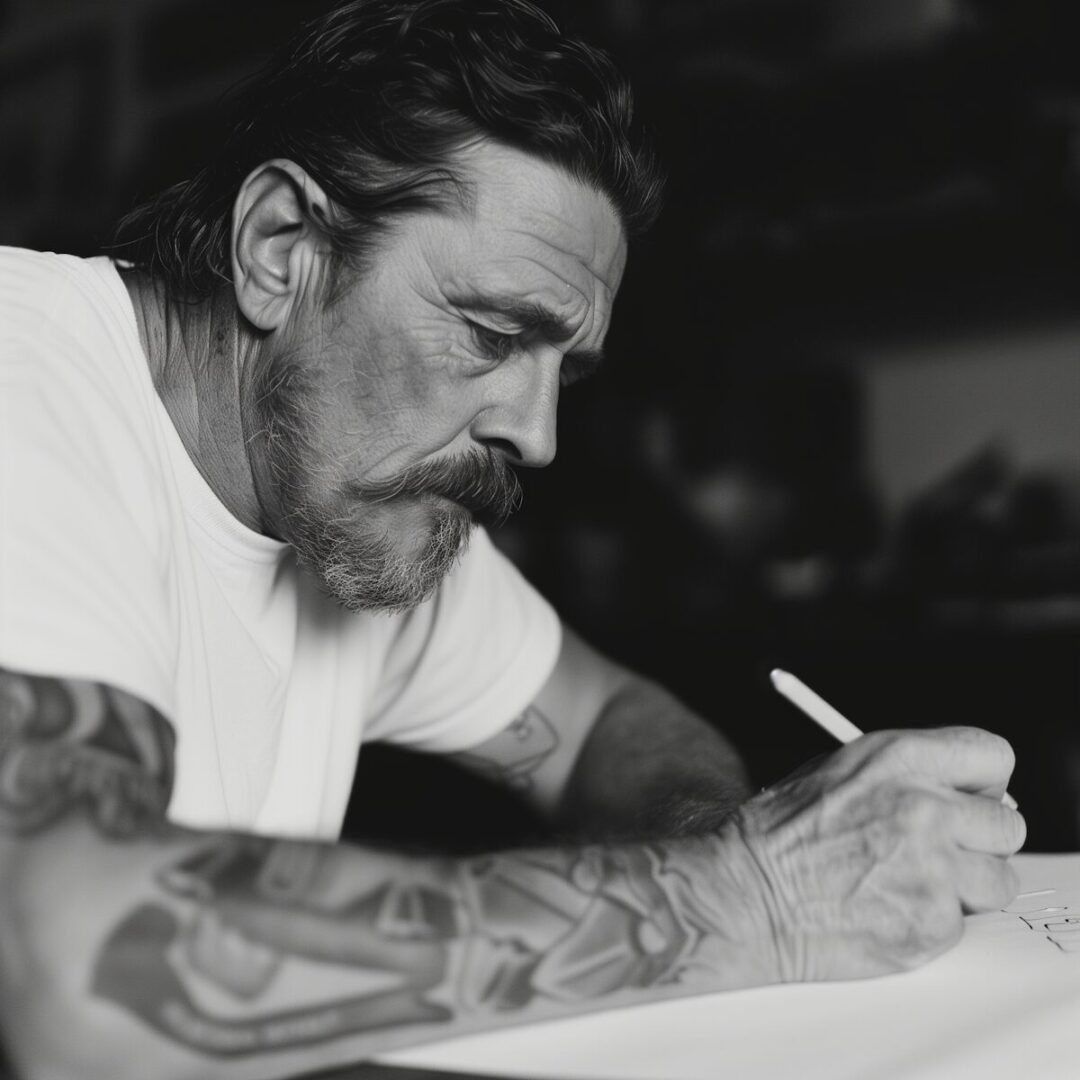
When I first started writing online, I had zero idea of creativity, ideas, and the hows. I thought it would be easy just to write when you have something to share. Little did I know how tough creative acts can be, especially when you have little experience.
I wrote when I had a cool idea I wanted to share. I thought this particular article would be a hit. I even researched trending topics and wrote about them. At the time, SEO was a cool thing to do. I only wrote about things that I thought people would read. But those topics weren’t something I really cared about.
After a few months of writing, I stopped chasing trending topics and started writing about what I liked. I wanted to build an audience of readers and writers who cared about the same things I did.
As I got into creative writing, I learned my first lesson—it is so hard to come up with ideas every time you sit down to write. Sometimes days would pass, and I’d still be clueless. Writer’s Block hit me hard. It took me years to actually learn to be creative and write freely. I did it by tricking my brain into acting instead of just thinking.
How creative geniuses are born
Often, we think of successful creative people as geniuses. We believe they had some special skill (or luck) that helped them become so great. Think of the great artists, singers, writers, filmmakers, and other creative people you know. When you see their creations, you think of them as very skillful people.
But most of us don’t know the real story behind their success. It includes hours, days, months, and years of failed creations. Good art comes after hundreds of bad iterations. The results we see — the good ones — are only the tip of the iceberg. Underneath are many failed projects, unreleased art, and a library of unpublished work. Even after so many failed attempts, they still got up and made art they cared about. They showed up and kept going.
That’s exactly how I tricked my brain too—I took action before I felt motivated to do the work. Every day, I’d show up at 10:00 am to write a piece. I didn’t care if it was good or not. I didn’t care if I would publish it later. I only cared about finishing. My goal was to write at least 500 words. That’s it. It doesn’t seem so difficult. And here’s the fun part:
The more I showed up and took action, the more ideas I had. The more creative I became. Writing more helped me produce more, which helped me think more creatively. Not only did I produce a large volume of work, but I also learned how to think better. As I said, it didn’t matter if my work was good or not. In fact, I haven’t published even half the pieces I wrote. Yet, I was happy because my brain was constantly thinking better. I had something to share.
Let go of your resistance.
Steven Pressfield’s The War of Art is one of the best books to read if you’re dealing with creative blocks and want to tap into your mind to do more. In his book, Pressfield offers a simple but powerful explanation for why we so often struggle to do the things we know we should do. He calls the force behind procrastination, self-doubt, perfectionism, distraction, and self-sabotage “Resistance.”
According to Pressfield, Resistance appears whenever we try to pursue something meaningful — whether that’s writing a book, starting a business, getting in shape, or changing our lives. His answer isn’t to wait for motivation or inspiration, but to “turn pro”: to treat the work as a commitment rather than something we do only when we feel like it.
The professional shows up, does the work, and keeps going despite fear, boredom, uncertainty, or self-doubt. Pressfield says:
You don’t defeat Resistance by feeling ready; you defeat it by showing up and doing the work.
That’s exactly what I did. I blocked every noise in my head saying, “You can’t. You aren’t ready. You suck.” These voices kept speaking to me in the past, and I would procrastinate on creating. I wouldn’t write until something good came up. After understanding the power of doing the work, as Pressfield said, I became free to create. I didn’t take any pressure and blocked out all the noise.
If you want to create more, it’s time to trick your brain by taking action before motivation; by doing the work and not letting the voices in your head speak negatively to you. The best way to do that is by setting a specific time of day to focus on your creative work. It should be at least an hour. Spend that time creating, not thinking. Don’t wait for ideas, don’t listen to your negative voices, just do the work. That’s how you become more creative. That’s how you join the top 1% of artists who show up and do the work.
Hi, I’m Biliz. If you enjoyed this piece, join my weekly newsletter for more content.